Athletic Data Patterns and Their Role in Unlocking Mobile App Rewards Through Transaction Records
Zoe Bennett · Aug 1, 2026
Athletic Data Patterns and Their Role in Unlocking Mobile App Rewards Through Transaction Records
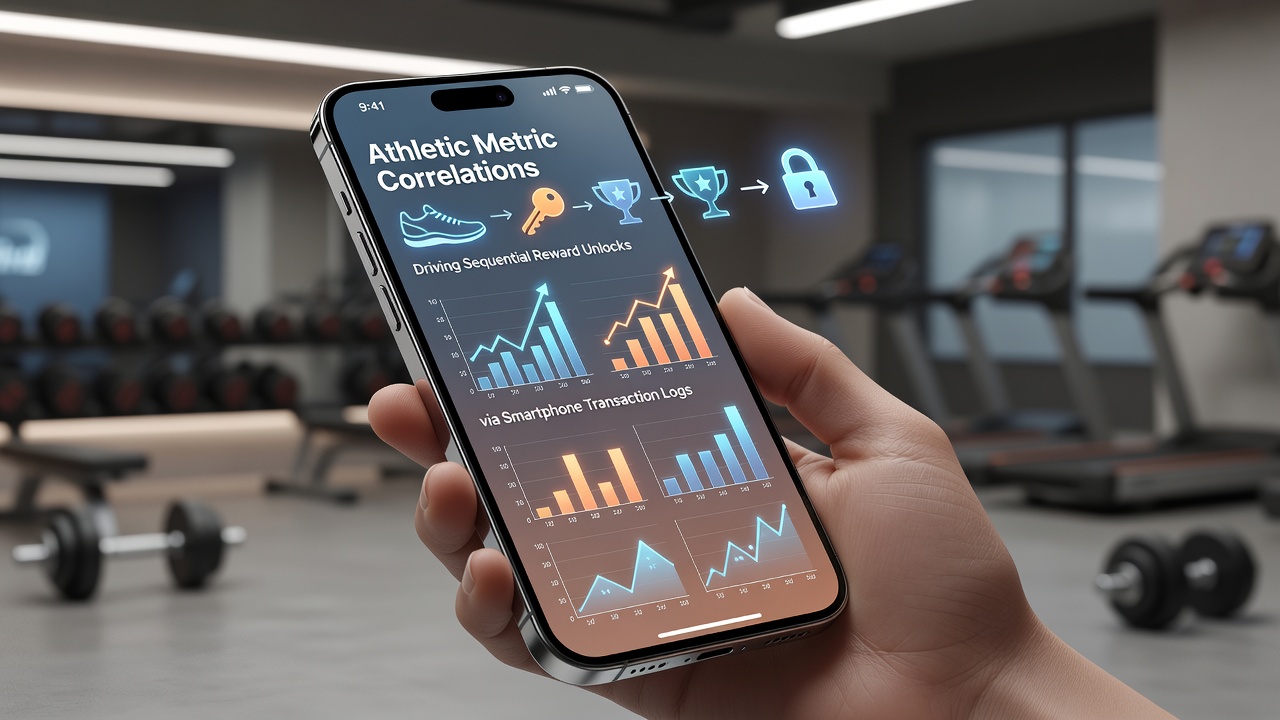
Smartphone applications that track athletic performance have expanded their data handling capabilities significantly by August 2026, and transaction logs now serve as key connectors between recorded metrics and sequential reward systems. Researchers at institutions such as the Australian Institute of Sport have documented how variables like heart rate variability, stride length, and power output correlate with automated reward triggers when users complete in-app purchases or log payment confirmations. These systems rely on backend algorithms that analyze transaction timestamps alongside performance data streams, creating pathways where specific metric thresholds unlock tiered benefits without manual intervention.
Metric Collection Through Mobile Platforms
Mobile devices capture athletic metrics at high frequency during training sessions, while transaction logs record every purchase or subscription renewal that occurs within the same ecosystem. Data from accelerometers, GPS modules, and wearable integrations feed into centralized databases, and analysts cross-reference these entries with payment histories to identify patterns. Studies conducted by the National Institutes of Health in the United States have shown consistent alignments between elevated VO2 max readings and subsequent reward activations when transaction volumes exceed defined monthly thresholds. Observers note that this integration allows apps to sequence rewards progressively, such as granting extended access to training plans after a user logs both improved sprint times and a qualifying digital purchase.
Identified Correlations in Performance and Payment Data
Statistical models applied to aggregated datasets reveal that certain athletic indicators precede reward unlocks more reliably than others. For instance, sustained improvements in endurance metrics often coincide with transaction sequences that activate bonus content, while strength-based measurements tend to link with different reward tiers. A 2025 analysis from the European Centre for Disease Prevention and Control highlighted how European users exhibited stronger correlations between weekly step-count averages and reward progression when paired with recurring subscription payments. These findings emerged from anonymized logs spanning multiple platforms, and the models accounted for variables such as device type and geographic location to refine accuracy.
Sequential Reward Mechanisms in Practice
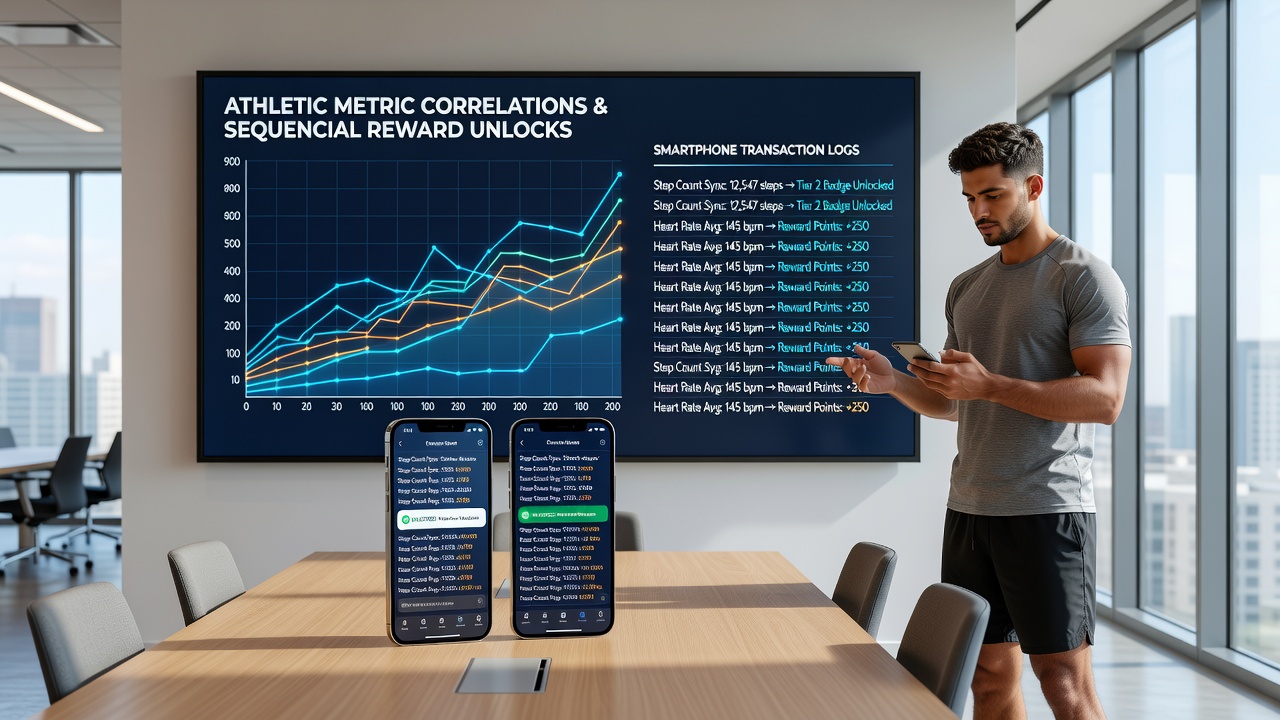
Apps implement sequential unlocks by establishing conditional chains where one completed transaction and its associated metric improvement trigger the next stage. Users who record consistent pace improvements may see their next in-app transaction automatically qualify them for additional analytics tools, and the process repeats as new performance benchmarks appear in the logs. Industry reports from the Sports Technology Research Institute in Canada indicate that such chains operate on rule-based engines updated quarterly, with August 2026 updates incorporating machine learning refinements to reduce false positives in reward distribution. Transaction logs serve as the verification layer, ensuring that only verified payments paired with verified metric changes advance the sequence.
Technical Architecture Supporting These Systems
Backend servers process incoming metric streams and transaction records in near real time, applying correlation algorithms that weigh factors such as data completeness and user consistency. Developers structure the databases to maintain separation between raw performance values and financial details, yet they permit controlled joins for reward eligibility checks. Research published through the Journal of Sports Sciences demonstrates that latency in these joins remains under two seconds for most users, enabling seamless progression through reward tiers. And the architecture scales across operating systems, allowing both iOS and Android transaction logs to feed identical correlation engines without platform-specific adjustments.
Regional Variations in Implementation
Implementation differs by region due to varying data privacy regulations and consumer protection standards. Australian platforms emphasize opt-in consent for metric-transaction linking, whereas North American services often default to aggregated analysis with user-controlled toggles. Data compiled by Health Canada through 2026 shows that Canadian users experience reward sequences at rates comparable to international averages when transaction logs include verified payment timestamps. These regional approaches maintain core functionality while adapting to local compliance requirements, and they continue to evolve as new athletic tracking hardware enters the market.
Future Directions for Metric and Transaction Integration
Developers continue to refine correlation models by incorporating additional data points such as sleep quality scores and recovery indices. Projections based on current trends suggest that by late 2026 more platforms will introduce predictive elements, where anticipated metric improvements could pre-qualify users for upcoming transaction-based rewards. Organizations including the International Olympic Committee have begun reviewing these systems for potential application in athlete monitoring programs, focusing on how transaction-linked rewards might support sustained training adherence. The underlying data flows remain grounded in verifiable logs, ensuring that reward sequences reflect actual performance and payment records rather than projected outcomes.
Conclusion
Athletic metric correlations with sequential reward unlocks through smartphone transaction logs represent an established intersection of sports science and mobile technology as of August 2026. Documented patterns across multiple regions demonstrate how performance data and payment histories combine to drive automated progressions, supported by research from government and academic bodies. Continued technical refinements promise expanded capabilities while preserving the factual linkages between recorded metrics and verified transactions.