Basketball Stat Clusters and Their Role in Unlocking Layered Reward Tiers Across Merged Wagering and Entertainment Apps
Petra Sullivan · May 30, 2026
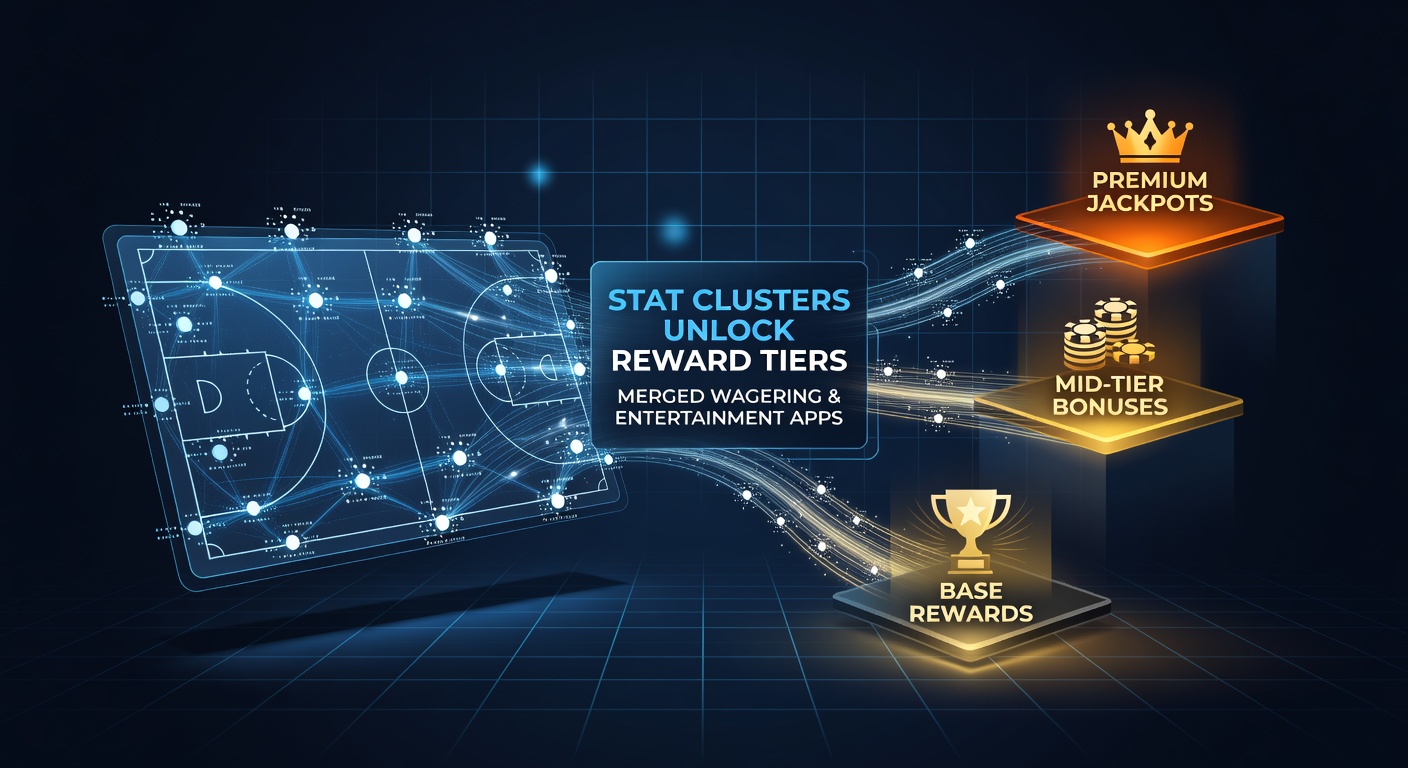
Basketball Stat Clusters and Their Role in Unlocking Layered Reward Tiers Across Merged Wagering and Entertainment Apps
Stat clusters group basketball metrics such as points, rebounds, assists, and efficiency ratings into categories that platforms process through algorithms, and these groupings connect directly to reward structures in applications that combine sports wagering with casino-style entertainment features. Data indicates that clusters form around player performance patterns, allowing systems to assign values that trigger progressive tiers ranging from basic access bonuses to advanced multiplier levels and exclusive table game credits.
Researchers at academic institutions have mapped these clusters using datasets from professional leagues, where offensive efficiency clusters often include field goal percentage combined with assist-to-turnover ratios, whereas defensive clusters track blocks, steals, and rebounding percentages. Platforms apply these groupings to user accounts during live events, updating reward eligibility in real time as game data flows into the merged interfaces.
Defining Stat Clusters in Basketball Analytics
Analysts organize basketball statistics into clusters by applying mathematical grouping techniques that identify correlations across multiple variables, and this process creates categories like high-volume scoring clusters or balanced contributor clusters based on season-long and game-specific data. Those who study sports analytics note that clusters reduce thousands of individual data points into manageable segments that software can evaluate against predefined thresholds for reward activation.
Performance records from recent seasons show that players falling into elite efficiency clusters frequently meet criteria that unlock higher reward tiers on integrated platforms, while mid-tier clusters correspond to standard bonus levels. This mapping occurs automatically through API connections between league data feeds and app databases, ensuring that updates reflect actual on-court developments without manual intervention.
Layered Reward Systems in Combined Applications
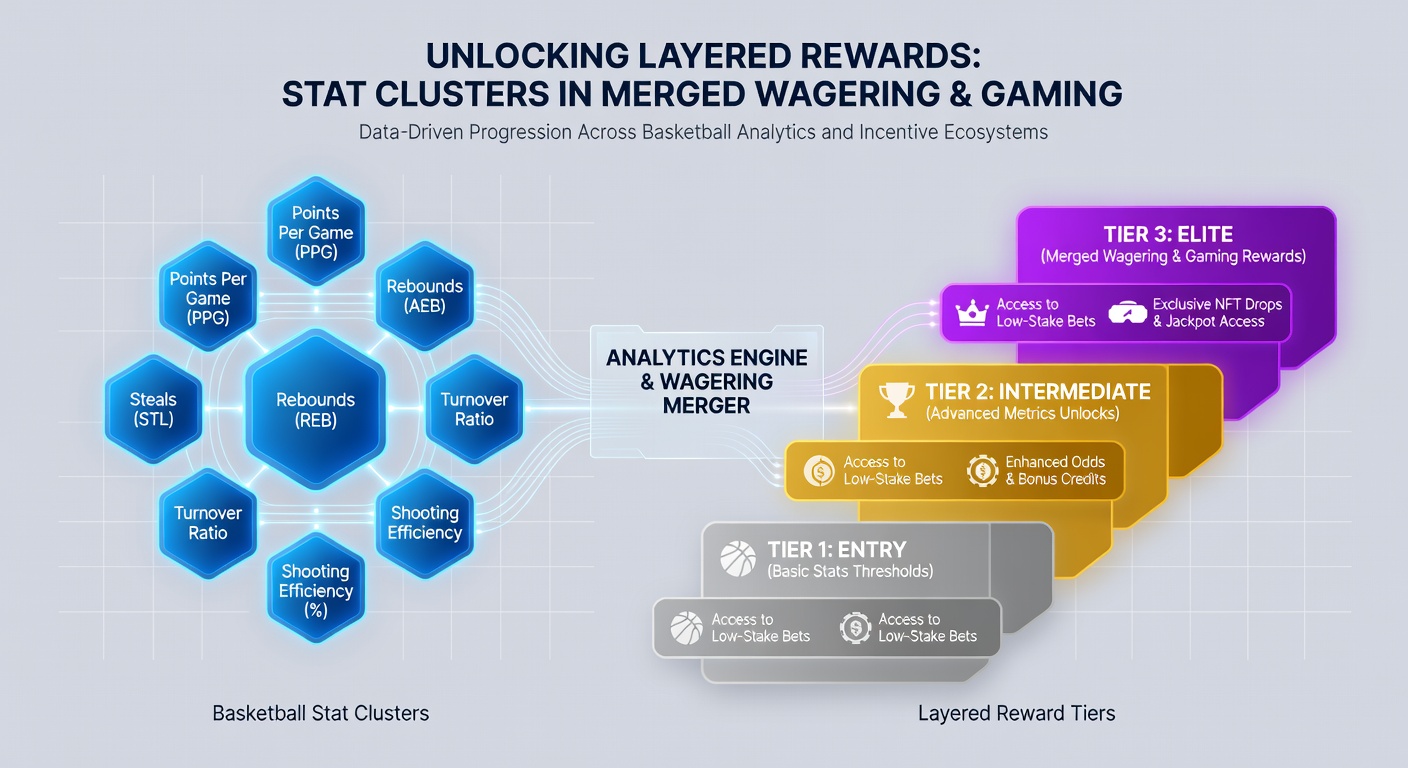
Merged wagering and entertainment apps structure rewards across multiple layers where initial tiers grant deposit matches or free bet credits, and subsequent layers provide casino bonus spins or jackpot entries tied to specific cluster achievements. Evidence from industry reports reveals that these systems process basketball data continuously, adjusting user progress as clusters shift during matches or across weekly periods.
Users advance through tiers when their selected players or teams align with designated clusters, such as a triple-double cluster that combines points, rebounds, and assists in a single game. Platforms calculate these alignments using weighted formulas that incorporate both individual and team-level statistics, creating pathways that connect sports outcomes to entertainment features like slot progressions or table game multipliers.
Technical Integration and Data Flow
Application developers link basketball stat clusters to backend systems that monitor digital wallet activity and live event feeds, enabling seamless transitions when cluster thresholds trigger casino rewards. Figures from platform usage data indicate that peak activity periods occur during high-profile games when multiple clusters become attainable, leading to increased engagement across both wagering and entertainment sections.
Systems employ secure data pipelines that transmit anonymized performance metrics while complying with regional standards, and observers note that this infrastructure supports real-time tier updates without disrupting user sessions. As of May 2026, several major platforms have expanded cluster definitions to include advanced tracking metrics such as hustle points and defensive impact ratings, broadening the range of reward triggers available to users.
Examples of Cluster-Based Tier Progression
Take one scenario where a player enters a points-rebounds cluster during a playoff contest, and the platform registers this achievement to advance the user from a base reward tier to an intermediate level that includes additional casino credits. Similar patterns appear across multiple accounts when teams achieve defensive cluster benchmarks, resulting in collective progress toward higher entertainment unlocks within the same session.
Research indicates that clusters focused on three-point efficiency or fast-break contributions often produce quicker tier advancements compared to volume-based groupings, because the underlying algorithms assign higher multipliers to specialized metrics. Platforms document these progressions through user dashboards that display both current cluster status and projected reward outcomes based on remaining game time.
Regulatory Context and Industry Standards
Authorities in various jurisdictions oversee how stat cluster integrations function within gambling applications, requiring transparency in how performance data influences reward distribution. According to reports from the American Gaming Association, compliance frameworks emphasize accurate representation of data sources and clear disclosure of tier requirements to maintain operational standards across merged platforms.
Additional guidance comes from studies conducted by the University of Sydney on digital gaming interfaces, which examine how algorithmic groupings affect user progression in combined environments. These analyses highlight the importance of maintaining distinct boundaries between sports data inputs and entertainment reward outputs to align with established oversight practices.
Future Developments in Cluster Applications
Developments projected for later in 2026 involve expanding cluster categories to incorporate international league data alongside domestic statistics, creating broader opportunities for tier advancement across global basketball events. Systems continue to refine their grouping methods through machine learning updates that incorporate historical performance trends and emerging player archetypes.
Platform operators report sustained integration of cluster mechanics with wallet functions that convert sports achievements into entertainment credits, maintaining consistent operational flows during live periods. This evolution reflects ongoing adjustments to data processing capabilities while adhering to technical and regulatory parameters already in place.
Conclusion
Basketball stat clusters serve as structured inputs that platforms translate into layered reward progressions within merged wagering and entertainment applications, supported by established data protocols and oversight mechanisms. Continued refinement of these systems aligns with documented industry practices and research findings that emphasize measurable connections between performance metrics and user advancement features.