Cryptocurrency Integration Patterns Reshaping Transaction Flows Between Professional Football Wagers and Supplementary Table Games on Portable Devices
Zoe Bennett · May 18, 2026
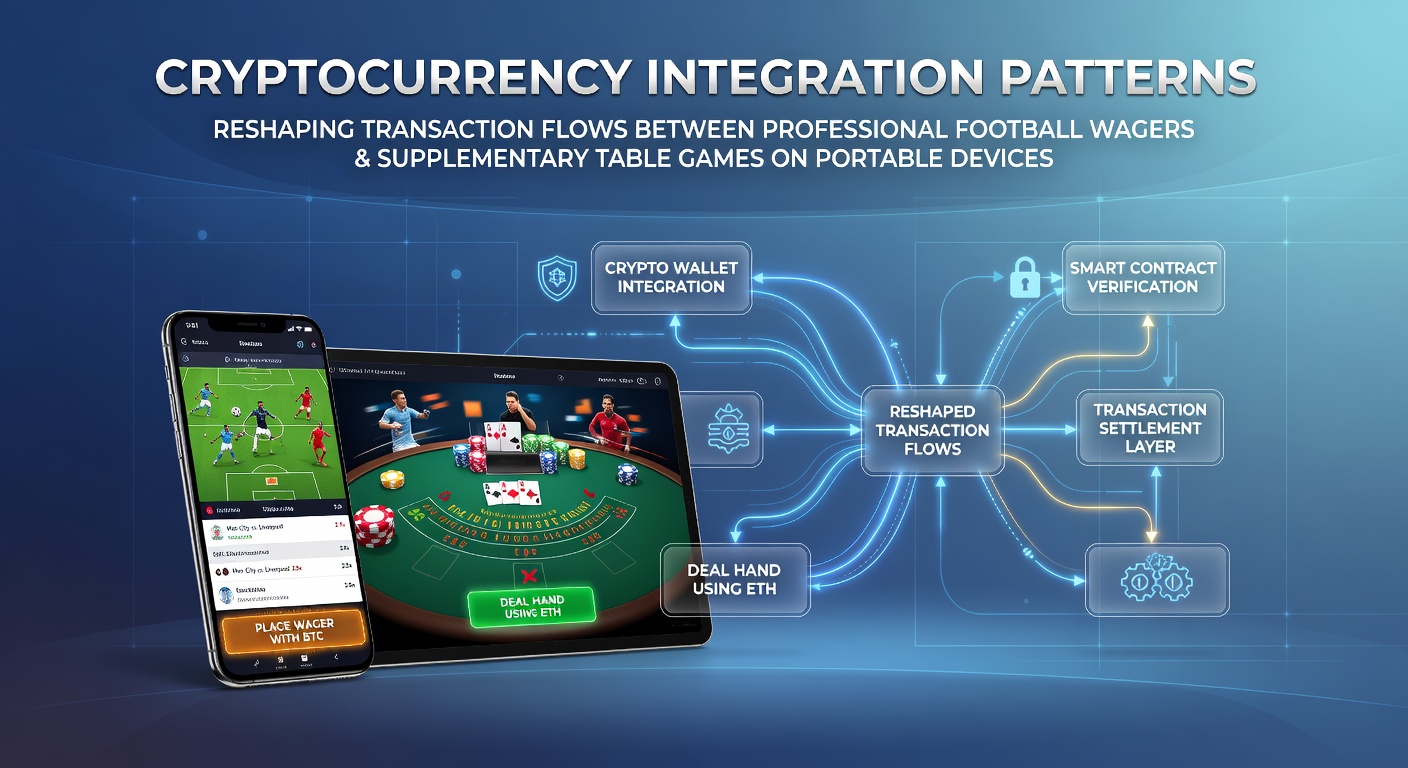
Cryptocurrency Integration Patterns Reshaping Transaction Flows Between Professional Football Wagers and Supplementary Table Games on Portable Devices
Transaction flows in mobile betting environments have evolved considerably by May 2026 as cryptocurrency protocols embed themselves into the pathways connecting professional football wagers with supplementary table games. Observers note that users now initiate deposits through digital wallets, place live bets on football matches, and shift remaining balances directly into roulette or blackjack sessions without traditional banking intermediaries. Data from industry tracking firms shows that these patterns reduce settlement times from hours to seconds while maintaining audit trails on distributed ledgers.
Core Integration Mechanisms
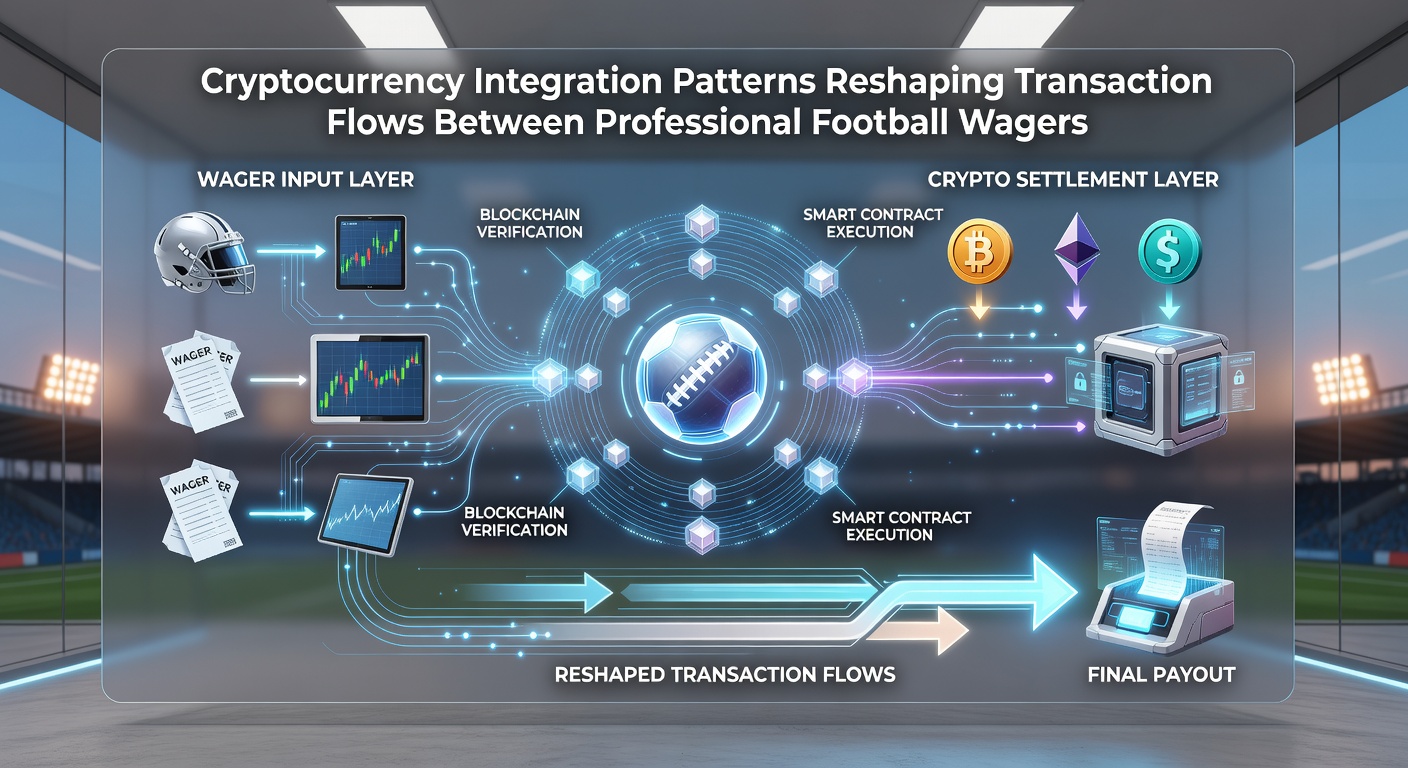
Platforms achieve seamless movement by embedding multi-currency wallets that support both sports and casino modules within single applications. When a wager on a professional football contest concludes, any unspent funds convert automatically or manually into tokens usable at table game interfaces. Researchers at several technology institutes have documented how smart contracts execute these transfers according to predefined rules, eliminating manual withdrawal steps and associated fees that once interrupted play sessions.
Patterns Observed in User Behavior
Usage data collected through 2025 and into early 2026 reveals recurring sequences: initial funding occurs via major cryptocurrencies, football betting occupies the primary window during match hours, and table game activity fills gaps between quarters or after final results. Those who track player journeys report that average session lengths increase when crypto rails permit instant reallocation of capital. European regulatory summaries indicate that such fluidity has prompted updated compliance frameworks requiring real-time transaction monitoring across both verticals.
Technical Infrastructure Supporting the Shift
Backend systems rely on layered blockchain networks that handle high-frequency micro-transactions alongside larger settlement batches. Portable devices communicate with these networks through optimized APIs that maintain low latency even during peak evening hours when football schedules overlap with casino traffic. One study released by a North American research consortium highlighted how layer-two scaling solutions prevent network congestion that previously disrupted simultaneous sports and table game access.
Regulatory and Security Considerations
Government agencies across multiple jurisdictions have responded to these developments with revised guidelines that address cross-product fund movement. Canadian provincial authorities, for instance, published updated standards in 2025 requiring operators to segregate sports and casino liabilities even when a single wallet serves both. Security protocols now incorporate multi-signature approvals and on-chain verification steps that users encounter during larger transfers between football betting accounts and table game credit lines.
Future Trajectory and Market Data
Market analytics compiled through the first quarter of 2026 project continued expansion of these integrated flows as more operators adopt unified crypto engines. Figures released by the Blockchain Research Institute demonstrate that transaction volumes between football wagering modules and table game sections grew by double-digit percentages year over year. Operators who implemented these patterns early report higher retention metrics, particularly among users who alternate rapidly between live football markets and quick-turnaround casino rounds.
Conclusion
Cryptocurrency integration has established durable patterns that link professional football wagers to supplementary table games through portable interfaces. These connections rest on technical efficiencies, behavioral adaptations, and regulatory adaptations that continue to mature. As platforms refine the underlying rails, transaction flows between the two categories are expected to remain tightly coupled on mobile ecosystems.