Exceptional Team Results Unlocking Progressive Smartphone Entertainment Rewards
Blake Braun · Jul 11, 2026
Exceptional Team Results Unlocking Progressive Smartphone Entertainment Rewards
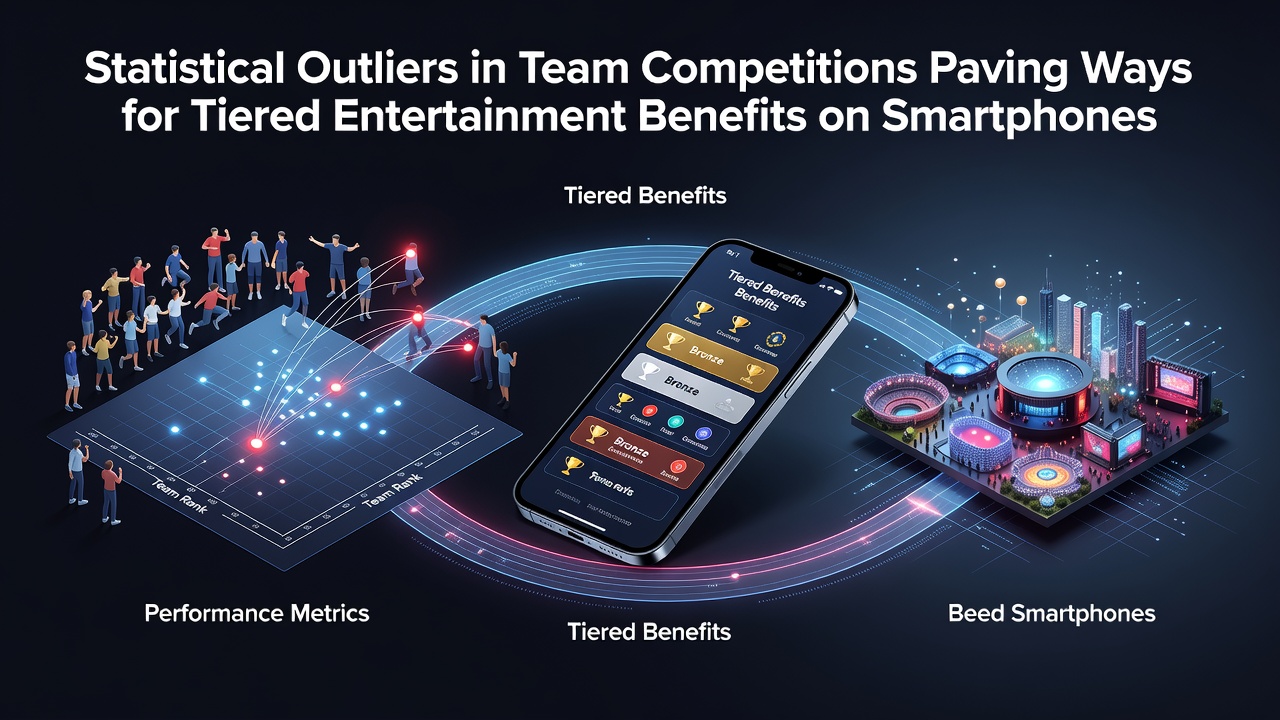
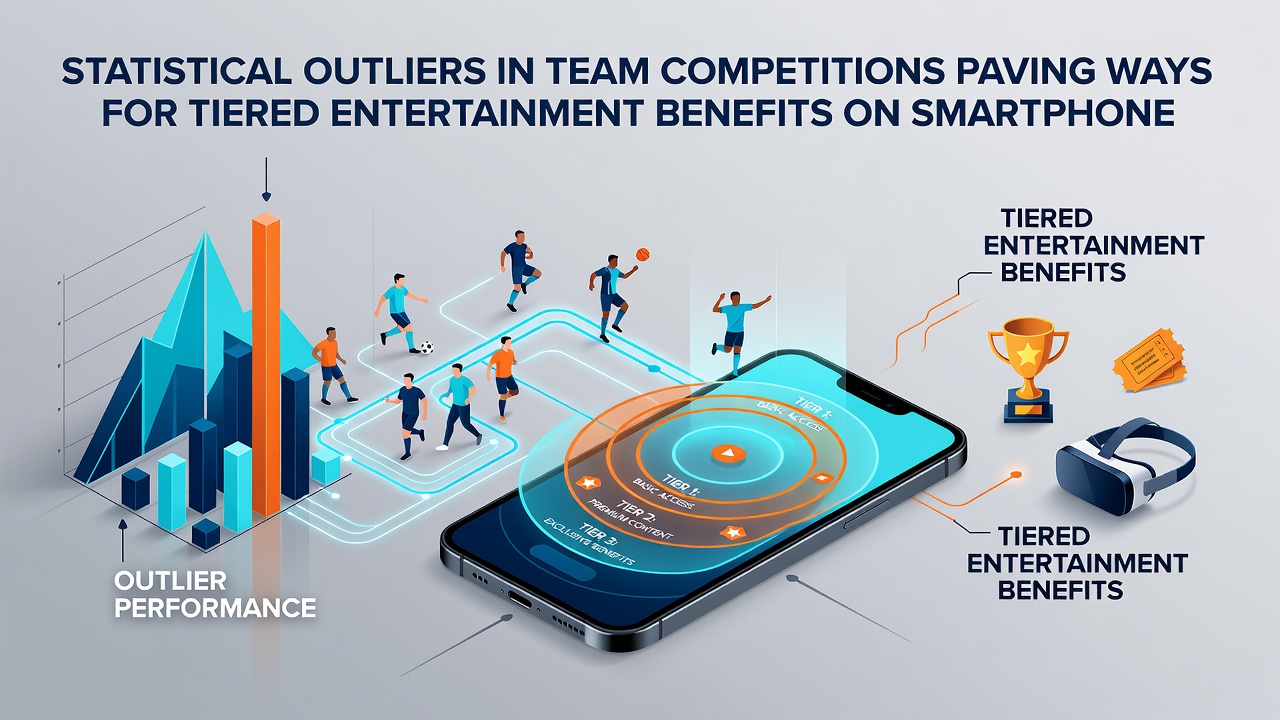
Statistical outliers in team competitions have started shaping how mobile platforms deliver layered entertainment benefits, and the pattern has become more pronounced as data analytics integrate with user reward systems. Teams that post results far outside expected ranges create measurable spikes in engagement metrics, which developers then map to tiered access levels within smartphone applications. These tiers often include exclusive content unlocks, accelerated point accumulation, and customized interface features that adjust based on real-time performance data feeds.
Defining Outliers in Competitive Contexts
Outliers emerge when a team's output deviates significantly from historical averages, whether through win margins, scoring efficiency, or defensive metrics that exceed established benchmarks by multiple standard deviations. Researchers tracking league data across various sports have documented how such anomalies trigger automated responses in connected mobile ecosystems. For instance, platforms monitor live statistics from competitions and cross-reference them against user activity profiles, assigning reward tiers that scale with the magnitude of the deviation recorded during events.
Data from multiple international competitions indicates these outliers occur at predictable intervals, roughly once every 12 to 15 matches in major leagues. This frequency allows developers to calibrate reward algorithms without overwhelming server resources, while users receive notifications about tier advancements directly on their devices. The process relies on standardized data protocols that pull from official league sources and feed into entertainment app backends.
Mobile Platform Integration Mechanisms
Smartphone applications connect competition statistics to user accounts through secure APIs that process outlier signals within seconds of official result confirmation. When a team's performance crosses predefined thresholds, the system evaluates linked profiles and advances eligible accounts through reward stages. These stages typically encompass basic access, intermediate features, and premium layers that unlock additional entertainment options such as interactive simulations or priority event streams.
Technical Architecture Behind Tier Progression
Backend systems employ machine learning models trained on historical competition datasets to identify genuine outliers versus routine variance. The models factor in variables like opponent strength, venue conditions, and seasonal timing before confirming an event as statistically significant. Once verified, the information routes to the mobile interface, where users see immediate updates to their progress bars and available benefits. According to findings published by the Australian Sports Commission, accurate outlier detection improves user retention rates in entertainment applications by aligning rewards with compelling performance narratives.
July 2026 marked a notable expansion in these integrations, as several platforms introduced cross-league tracking that combined data from multiple team competitions into unified reward pathways. Users began experiencing smoother transitions between different event types, with outlier events from one competition influencing tier status across interconnected entertainment modules.
Regional Variations in Implementation
European mobile platforms have adopted stricter data privacy controls when linking competition statistics to reward tiers, requiring explicit user consent before processing outlier signals. In contrast, North American services emphasize speed of delivery, with some applications advancing users through tiers within the same competition window. Canadian regulatory frameworks encourage transparency in how performance data influences entertainment benefits, prompting developers to publish simplified explanations of their tier algorithms within app settings.
Industry reports from the Mobile Entertainment Forum highlight that these regional differences have not slowed overall adoption, as users adapt to localized versions while core mechanics remain consistent across borders. The result is a global network where outlier events feed into personalized reward journeys without requiring manual intervention from account holders.
Future Trajectories for Data-Driven Rewards
Developers continue refining how statistical outliers translate into entertainment benefits, with emerging protocols designed to handle multi-team competitions and simultaneous events. These advancements allow platforms to distribute tier advancements more evenly, reducing concentration of rewards among users who follow only high-profile teams. Research from the University of Sydney's sports analytics group demonstrates that diversified outlier detection across secondary leagues increases overall platform engagement without inflating operational costs.
Continued expansion depends on maintaining accurate data pipelines between official competition organizers and mobile entertainment providers. As more leagues release standardized statistical feeds, the pathways for tiered benefits are expected to grow more sophisticated while remaining accessible through standard smartphone interfaces.
Conclusion
Statistical outliers from team competitions have established clear connections to tiered entertainment structures on smartphones, creating systematic reward mechanisms that respond to performance deviations. The integration relies on verified data sources, regional compliance standards, and evolving technical architectures that process signals efficiently. Observers tracking these developments note sustained growth in user participation tied directly to how platforms convert competition anomalies into progressive benefits.