From Field Goals to Jackpots: Tracing Mobile Payment Pathways in Combined League and Table Play Scenarios
Xander Franke · May 21, 2026
From Field Goals to Jackpots: Tracing Mobile Payment Pathways in Combined League and Table Play Scenarios
Observers note that mobile payment systems have expanded rapidly to support integrated sports league wagers and casino table sessions on single platforms, and data from regulatory filings show seamless transfers between these activities occurring in real time by May 2026. Users initiate deposits through digital wallets that link directly to both betting accounts and gaming lobbies, which allows funds from a completed field goal wager to move into a blackjack or roulette session without separate verification steps. This integration reflects broader industry shifts where payment processors prioritize low-latency connections between league markets and table game interfaces.
Evolution of Mobile Transaction Routes
Payment pathways in combined scenarios trace back to early wallet applications that handled basic deposits for individual sportsbooks or casinos, yet recent platform updates have merged these functions into unified interfaces. Research indicates that by 2025 transaction volumes between live league bets and subsequent table plays increased notably across major operators, while figures from industry reports reveal average transfer times dropping below three seconds on optimized networks. Those who track these developments point to standardized APIs that connect sportsbook ledgers with casino balance systems, and this setup enables automatic fund routing once a user selects a table game after settling a wager.
Security protocols now incorporate multi-factor authentication at each junction point along the pathway, and compliance records show operators in regulated markets maintaining audit trails for every shift between league and table activities. In May 2026 several states expanded testing of instant settlement features that reduce hold periods on winnings before they become available for table play, which has streamlined the overall sequence for frequent users.
Key Steps in Combined League and Table Transfers
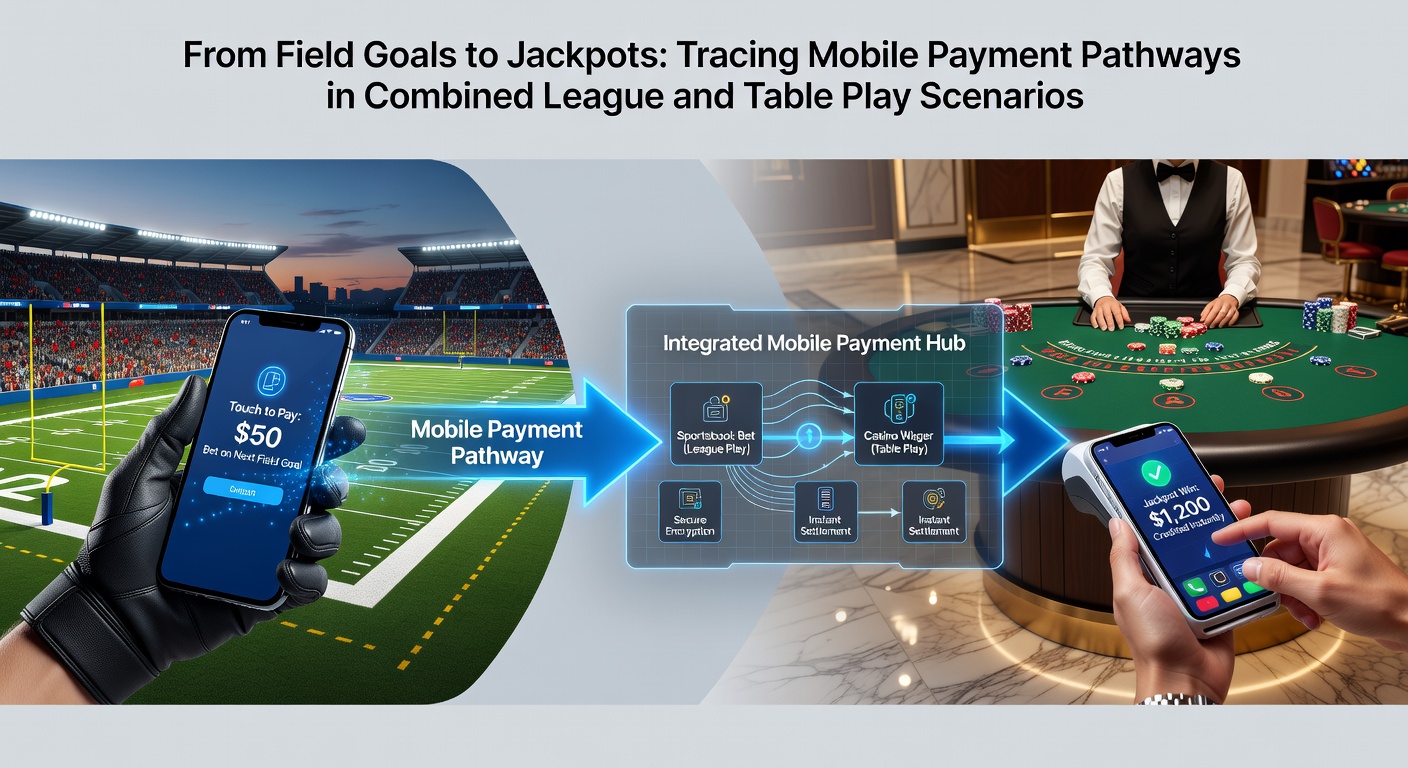
A typical pathway begins when a user places a wager on league events through a mobile application and receives confirmation once the outcome resolves. Funds then appear in a shared balance visible across both sports and casino sections, and the player selects a table game to continue play. Processors verify the source of funds against responsible gaming limits before releasing the amount, and this verification occurs through encrypted channels that prevent exposure during the handoff. Data shows that operators using tokenized payment methods experience fewer interruptions at this stage compared with traditional card-based routes.
Wallet Integration Patterns
Digital wallets serve as the central hub in these scenarios, storing credentials that work for both league betting and table deposits while supporting instant withdrawals after table sessions conclude. Observers have documented cases where users move winnings from an NBA prop bet directly into a poker table without exiting the application, and platform logs confirm that balance updates reflect across modules within seconds. According to reports issued by the New Jersey Division of Gaming Enforcement, such integrated systems must demonstrate consistent reconciliation of funds between sports and casino ledgers to maintain licensing standards.
Geographic variations influence these pathways, with operators in different regions adapting to local rules on cross-activity transfers. In Canadian provinces with established frameworks, for example, payment processors emphasize real-time reporting to provincial authorities, whereas certain Australian markets require separate player verification for table game access even when funds originate from league wagers. These differences create distinct routing options depending on the user's location and chosen operator.
Regulatory and Technical Considerations in 2026
By May 2026 updated technical standards require payment gateways to isolate sports wager data from casino transaction streams while still permitting user-initiated moves between them. Studies conducted by research institutions affiliated with gaming technology programs indicate that encryption layers added at each transfer point reduce exposure risks during combined sessions. Operators publish transparency reports that detail average volumes of funds shifting from league markets to table games, and these documents help regulators assess compliance without restricting legitimate player activity.
Payment processors have introduced features such as scheduled transfers and spending caps that apply uniformly across both activity types, which helps maintain consistent oversight. Those monitoring the space note that adoption of these controls correlates with higher retention rates among users who engage in mixed league and table scenarios on mobile devices.
Conclusion
Mobile payment pathways that connect league wagers to table play continue to evolve through coordinated technical and regulatory efforts, and records from oversight bodies confirm steady improvements in speed and security as of May 2026. The infrastructure supporting these combined scenarios relies on standardized connections between wallets, sportsbooks, and casino systems that allow fluid movement of funds while preserving required audit capabilities. Continued refinement of these routes will shape how users navigate between different forms of play on portable devices in regulated markets.