Performance Data Groupings Directing Mobile Reward Routes in Digital Payment Systems
Zoe Bennett · Aug 8, 2026
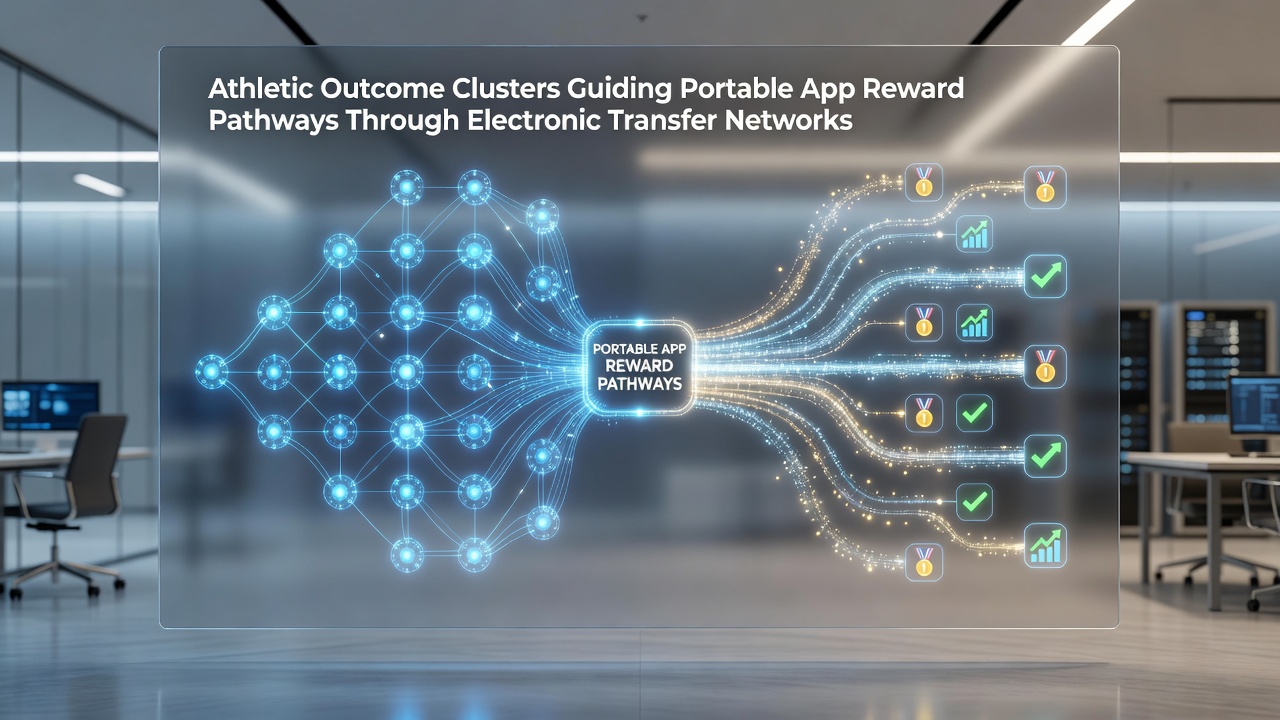
Performance Data Groupings Directing Mobile Reward Routes in Digital Payment Systems
Performance data groupings from professional sports events have started shaping how mobile applications allocate rewards through electronic payment channels, and observers note this pattern emerging across multiple platforms in recent years. Researchers discovered that clusters formed from game statistics, such as point differentials and player efficiency ratings, often trigger specific reward sequences when linked to transaction flows in portable devices. Data shows these groupings operate by matching outcome patterns to predefined criteria within app algorithms, which then initiate transfers via digital wallets or banking integrations.
Formation of Athletic Outcome Clusters
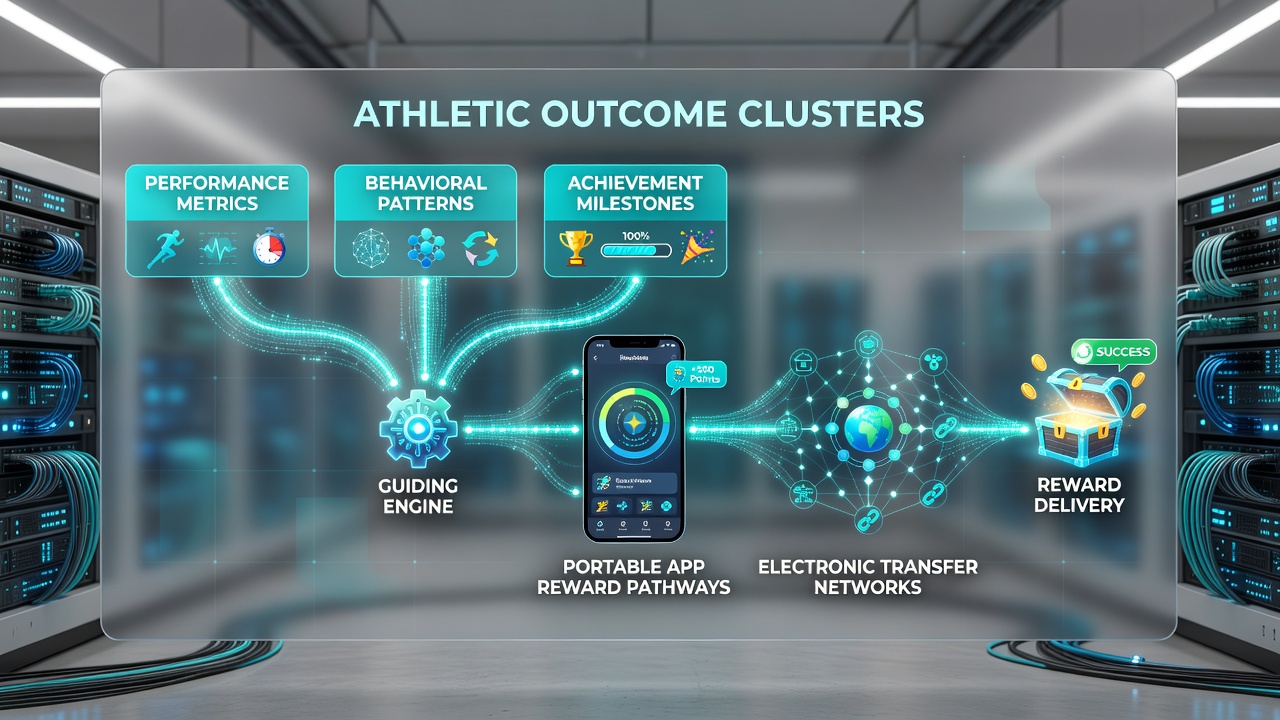
Analysts track clusters by compiling metrics from leagues like the NFL and NBA, where variables including yards gained, assists recorded, and scoring margins combine into distinct sets during live events. Studies found that these sets gain relevance when they align with user activity thresholds, prompting apps to route incentives through secure networks rather than isolated bonus systems. In August 2026 industry reports highlighted increased adoption of such clustering methods, as developers refined models to handle higher volumes of real-time data from portable interfaces.
Those who've examined transaction logs observe that clusters tied to halftime adjustments frequently connect to reward activations, since electronic networks process the data faster than traditional methods. Evidence suggests this creates pathways where a cluster of successful field goals or three-point attempts can unlock layered entries without requiring separate user inputs beyond the initial wager placement.
Integration With Portable Application Frameworks
Mobile frameworks incorporate these clusters by embedding analytics engines that scan incoming game feeds and match them against reward criteria stored in app databases. Researchers discovered that seamless connections between live odds shifts and payment selections allow clusters to guide users toward tiered benefits, such as enhanced casino access or multiplier entries. Figures reveal that platforms handling both league wagers and table games see higher engagement when clusters influence the timing of electronic transfers.
Take one developer team that integrated NBA player prop data into reward logic; their system now directs transfers automatically once a cluster reaches a statistical threshold during live windows. This approach avoids manual redemptions and relies instead on network protocols that verify outcomes before releasing funds or credits.
Role of Electronic Transfer Networks
Electronic networks serve as the conduit between athletic clusters and reward delivery, processing verifications through encrypted channels that comply with regional standards. According to data from the Australian Communications and Media Authority, transaction volumes involving combined sports and entertainment apps rose notably by mid-2026, driven by faster settlement times that clusters help predict. These networks handle everything from initial deposits to bonus distributions, ensuring clusters of performance data translate directly into user account updates.
What's interesting is how clusters from NFL spread movements often synchronize with casino tier advancements, since the same digital pathways manage both wager resolutions and reward triggers. Observers note that this integration reduces latency, allowing apps to respond within seconds of a cluster forming during active games.
Examples Across League and Entertainment Applications
One documented case involved NBA live props feeding into cluster analysis that unlocked layered casino entries on mobile devices, where point spread adjustments correlated with bonus activations through wallet-based transfers. Research indicates similar patterns in NFL second-half lines, where outcome groupings from player statistics directed users toward supplementary table play without additional navigation steps. Industry organizations such as the European Gaming and Betting Association have published findings on these mechanisms, showing how data clusters streamline flows between professional football wagers and entertainment modules.
People who've monitored app analytics report that clusters built around combined league metrics frequently lead to higher reward progression rates, as electronic networks prioritize verified outcomes over static rules. This method appears in multiple regions, with Canadian regulatory frameworks also examining how such systems maintain compliance during high-volume periods.
Conclusion
Performance data groupings continue to influence reward allocation in mobile environments by channeling athletic outcomes through established electronic networks, and evidence from multiple studies supports their growing role in platform design. As transaction technologies advance, clusters derived from live events provide structured pathways that connect sports statistics directly to user incentives across portable applications.