Syncing Live Pro League Stats to Loyalty Rewards Across Mobile Betting and Casino Apps
Henrik Bauer · Aug 20, 2026
Syncing Live Pro League Stats to Loyalty Rewards Across Mobile Betting and Casino Apps
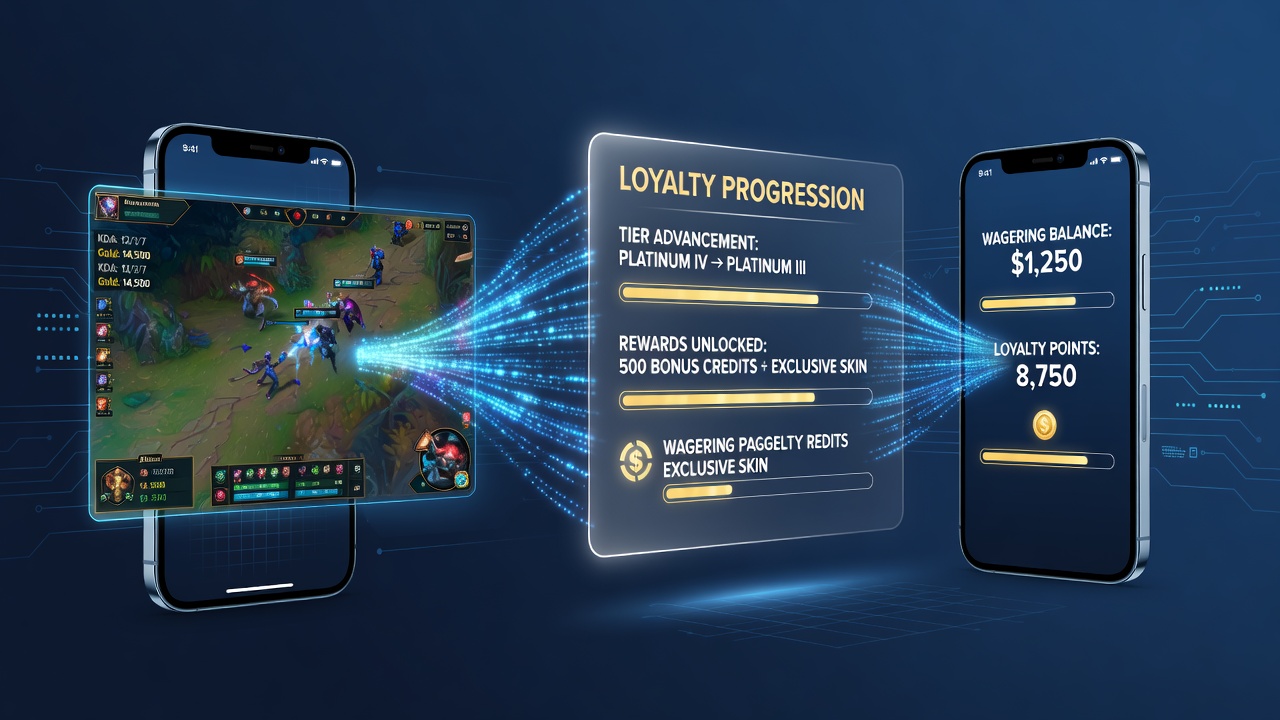
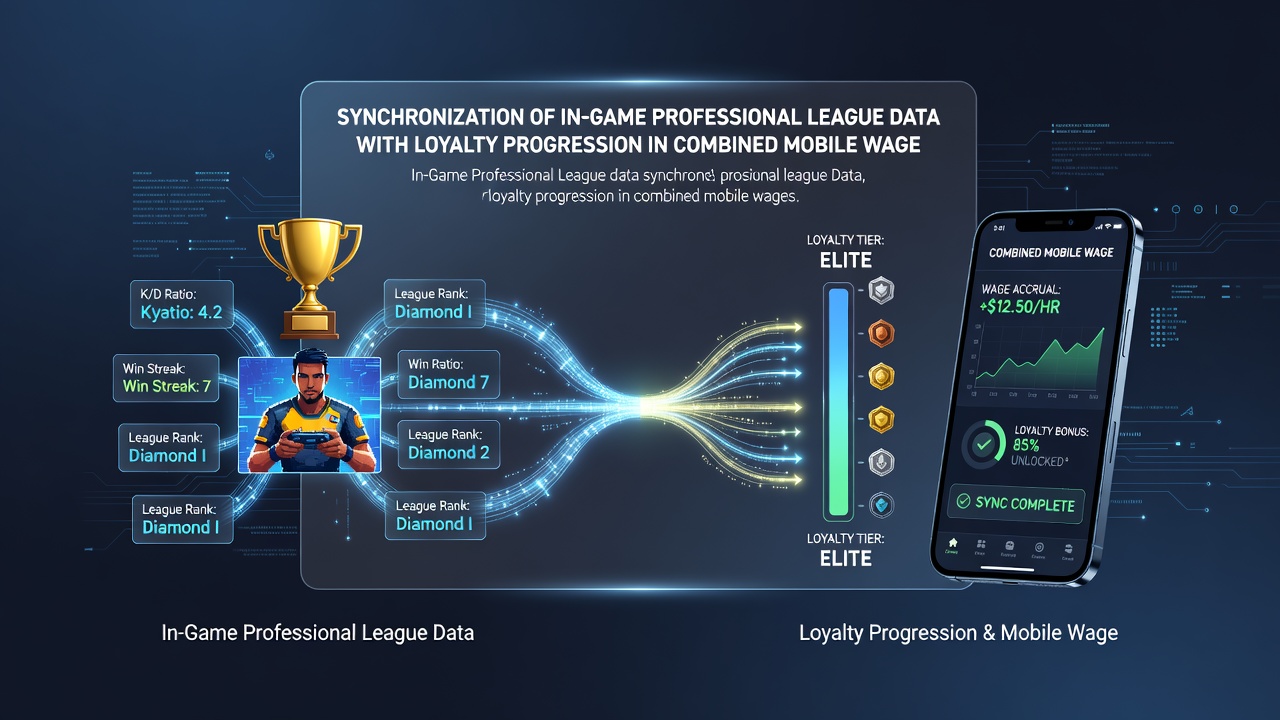
Professional league performance metrics now feed directly into loyalty systems on combined mobile wagering and gaming platforms, creating automated progression paths for users based on live game data. This synchronization relies on API connections that pull player stats, point spreads, and in-game events into backend reward engines, which then adjust tier status, bonus multipliers, and reward points in real time. Platforms integrate these feeds from sources such as official league data providers and third-party analytics services, allowing shifts in NFL passing yards or NBA rebound totals to trigger corresponding loyalty updates without manual intervention.
Data Pipelines and Real-Time Integration Methods
Developers establish data pipelines that capture in-game events through structured feeds, converting raw statistics into loyalty point allocations using predefined algorithms. For instance, a completed touchdown pass might map to a set number of loyalty points while a three-point field goal in basketball adds incremental progress toward the next tier. These mappings operate on millisecond-level latencies to match the pace of live events, and operators test synchronization accuracy during high-volume periods like playoff games. August 2026 marks the scheduled rollout of enhanced data standards from several major leagues, which will require platforms to update their integration layers for continued compliance with accuracy benchmarks.
Observers note that middleware layers handle the translation between sports data formats and loyalty database schemas, while encryption protocols secure the transmission of both game statistics and user account details. Companies deploy monitoring dashboards that flag discrepancies between expected and actual loyalty updates, enabling quick corrections before they affect user balances. Research from academic institutions such as the University of Nevada, Las Vegas, shows that platforms using redundant data verification reduce synchronization errors by measurable margins compared with single-source systems.
Loyalty Tier Adjustments Driven by League Metrics
Loyalty progression rules often link specific performance thresholds to tier advancement, such as accumulating points from consecutive games where certain statistical milestones occur. A user might advance from silver to gold status after a sequence of NBA games featuring high assist totals that align with platform-defined criteria. These rules appear in the terms of service documents provided by operators, and they update seasonally to reflect changes in league scoring patterns or rule modifications.
Combined platforms maintain separate but connected ledgers for wagering activity and loyalty status, allowing a single mobile session to influence both balance and reward tier simultaneously. When a live NFL game generates elevated yardage totals, the system applies corresponding loyalty multipliers to any casino game activity occurring in the same app window. This dual-track approach keeps users engaged across sections without requiring separate logins or transfers.
Regulatory and Technical Considerations in August 2026
Regulatory bodies in multiple jurisdictions continue to examine how synchronized data systems affect responsible gaming measures. The Nevada Gaming Control Board requires detailed audit trails for any loyalty adjustments tied to live sports data, ensuring that point allocations remain transparent and reversible in case of feed errors. Similar oversight appears in Australian state regulations, where operators must demonstrate that loyalty mechanisms do not encourage excessive play during volatile game periods.
Technical teams address latency issues by deploying edge computing nodes closer to user locations, which shorten the interval between a league event and the corresponding loyalty update. Testing protocols include simulated game scenarios that replicate network disruptions, verifying that partial data still produces accurate partial credit to user accounts. Industry reports from organizations like the European Gaming and Betting Association indicate that these safeguards have become standard across major operators preparing for the 2026 data standard updates.
Examples of Metric-to-Reward Mapping
One documented implementation maps NBA player efficiency ratings directly to daily loyalty bonuses, with higher ratings unlocking larger reward percentages for subsequent casino sessions. Another system tracks NFL defensive turnovers and converts clusters of these events into entry tickets for tiered prize draws. Users receive notifications within the app when their loyalty progress reaches new thresholds, often accompanied by explanations of which game statistics contributed to the change.
Platform operators publish periodic summaries of how league data influenced overall loyalty distributions, providing aggregate figures that show average progression rates during regular season versus postseason windows. These reports help maintain user trust by demonstrating consistent application of the synchronization rules across different sports and game types.
Conclusion
Synchronization between professional league data and loyalty systems continues to evolve through improved API standards, regulatory requirements, and technical refinements scheduled for implementation by August 2026. Combined mobile platforms apply these connections to deliver unified experiences where live sports metrics directly shape reward progression across both wagering and casino sections. Continued monitoring by government agencies and industry groups supports the maintenance of accurate, secure, and transparent data flows that underpin these features.